

Card Features and Benefits

Proin sed felis ultrices, tristique eros eu, accumsan justo.

Lorem ipsum dolor sit amet, consectetur adipiscing elit.

Nullam dictum felis sed pharetra auctor. Donec justo nibh, sodales vitae.

Vestibulum non lobortis magna. Aliquam id hendrerit mauris.

Etiam convallis eleifend egestas. Nullam non velit enim.
Donec viverra sagittis lacus, ullamcorper consequat magna pulvinar quis.

How long does it take to build credit?
It may seem overwhelming to build credit from the ground up, but the truth is it may take less time than you think. If you’re starting from scratch, it may take about six months after getting your first credit product to start seeing results.
Keep in mind that credit building from scratch may be faster than rebuilding bad credit, depending on the state of your personal finances — whether you were bankrupt or have delinquencies that brought down your score. Negative credit marks, such as late payments, bankruptcies and collections, can stay on your report for seven years, while a Chapter 7 bankruptcy can remain for 10 years.
The journey of a thousand miles begins with a step, so the best way to start building (or rebuilding) your credit is to start good credit habits today with some of the options listed above. Expect that this process will take time and patience.
Disclaimer: FICO is a registered trademark of Fair Issac Corporation in the United States and other countries.
How is my credit score calculated?
More than 90% of top lenders use FICO® scores. Here is how it is calculated:
Payment history: Payment history refers to how you’ve paid your accounts over the length of your credit. This makes up 35% of your score, a factor that indicates that you can make payments on time.
Amounts owed: This factor makes up 30% of your score and generally refers to the amount of debt you’re carrying. However, your debt total isn’t as impactful as your credit utilization ratio (CUR; your total revolving debt divided by your total revolving credit limits). If you use a high percentage of available credit, it can negatively impact your score.
Length of credit history:
Another factor that impacts your score is how long you’ve had credit — holding accounts open over long periods of time can have a positive effect on your credit. This accounts for 15% of your score.
Credit mix: Your score takes into account your mix of different types of credit accounts. This shows lenders you can manage multiple types of credit responsibly. This makes up 10% of your credit score.
New credit: The final factor is new credit, which is the credit accounts you’ve opened recently. According to FICO®, opening too many accounts within a short timeframe corresponds to greater risk, especially for individuals with a shorter credit history. This is 10% of your score.

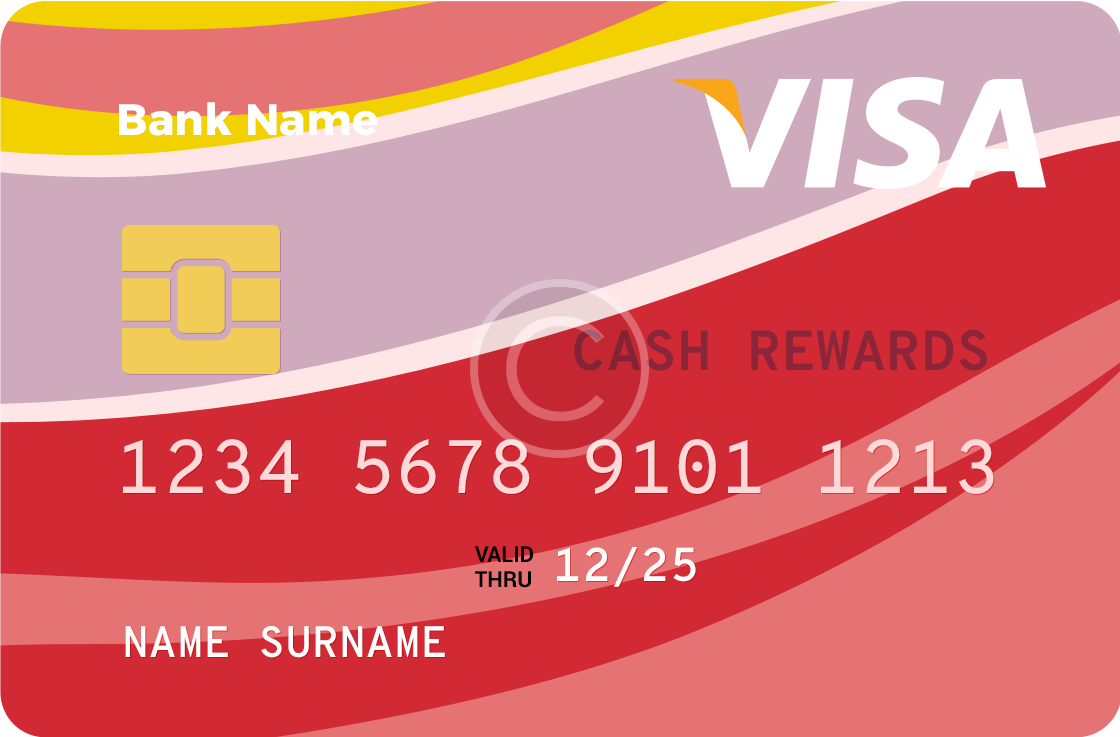


Whether you're looking for side-by-side comparisons, info around rewards versus points or you're ready to apply, we've gathered everything you need in one easy place.
Power your business potential and earn 80,000 bonus points or $300 bonus cash back.
Know where you stand even before you apply.


Featured Offers from Our Partners
Capital One® Venture Rewards Credit Card

BankAmericard® Credit Card
Capital One® Cash Rewards Credit Card
Have a Special Need? We Can Help.



Find a Card from your Favorite
Financial Institution
Download the App Now!
Your credit score is a tool to help you meet your goals. Want to get better rates on loans and credit cards? Refi your student loans — or even your mortgage? Your credit score could make it happen.